Research
I am an applied economist working at the intersection of technology adoption, impact evaluation, and rural development. My work traces the gap between technology access and lasting welfare gains across smallholder systems in Latin America and Sub-Saharan Africa, and identifies the design features that make agricultural and environmental policy more effective and equitable. I received my PhD in Economics from Universidad de los Andes, Bogotá.
Technology Adoption & Agricultural Productivity
Why do some farmers adopt improved technologies while others do not, and when does adoption translate into productivity gains? I study the determinants and impacts of adoption in smallholder systems, including input subsidies, silvopastoral systems, and improved variety diffusion in Colombia and Ecuador.
Impact Evaluation & Program Design
I evaluate the causal effects of agricultural and environmental programs using state-of-the-art econometric methods, with a cross-cutting concern for whether program targeting and design reach the most constrained populations.
Food Security & Rural Livelihoods
What determines food security in remote, forest-dependent communities? I study how forest access, ethnic group membership, and value chain mechanisms, from coffee cupping to community seed banks, shape dietary diversity, farmgate prices, and livelihood strategies.
Policy Coherence, Gender & Post-Conflict Governance
Do post-conflict policies designed to transform rural landscapes deliver coherent, equitable outcomes for women? I analyze policy coherence within Colombia's peacebuilding framework and how gender and intersectionality mediate land restitution outcomes.
In the Field
My research is grounded in primary data collection across Latin America. Below are highlights from fieldwork in Colombia and Ecuador.
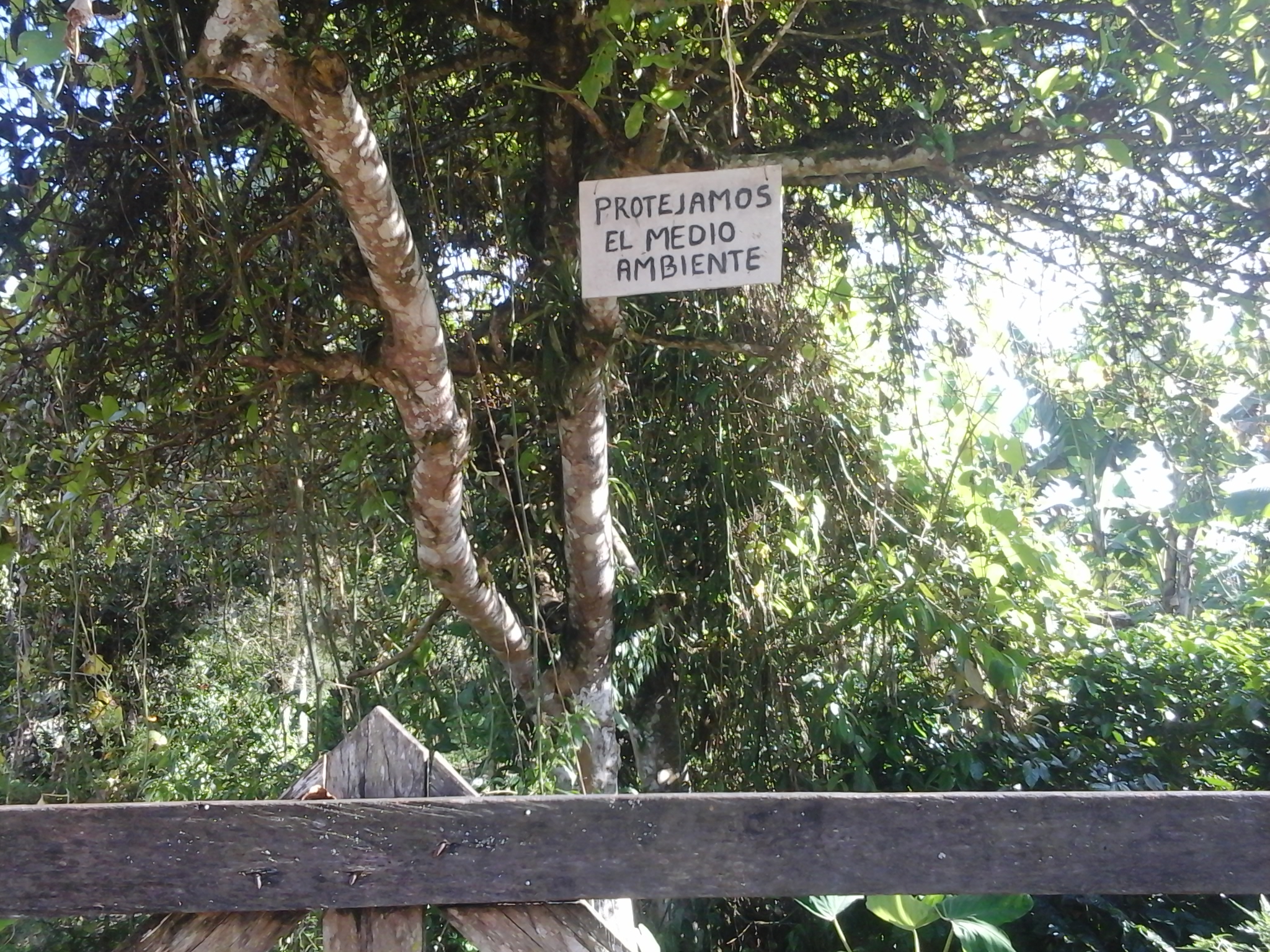 Data collection, Colombia
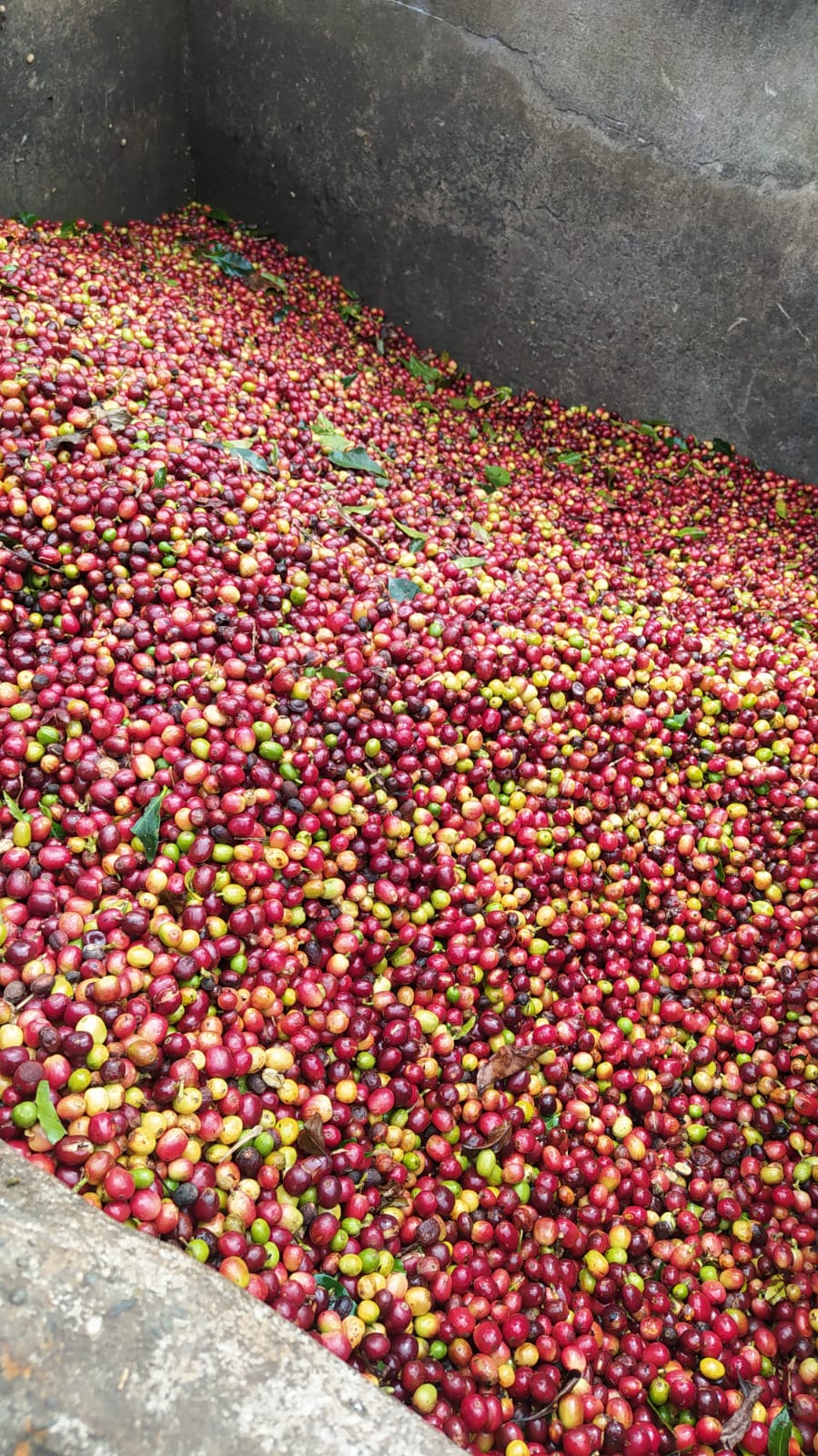 Coffee value chains
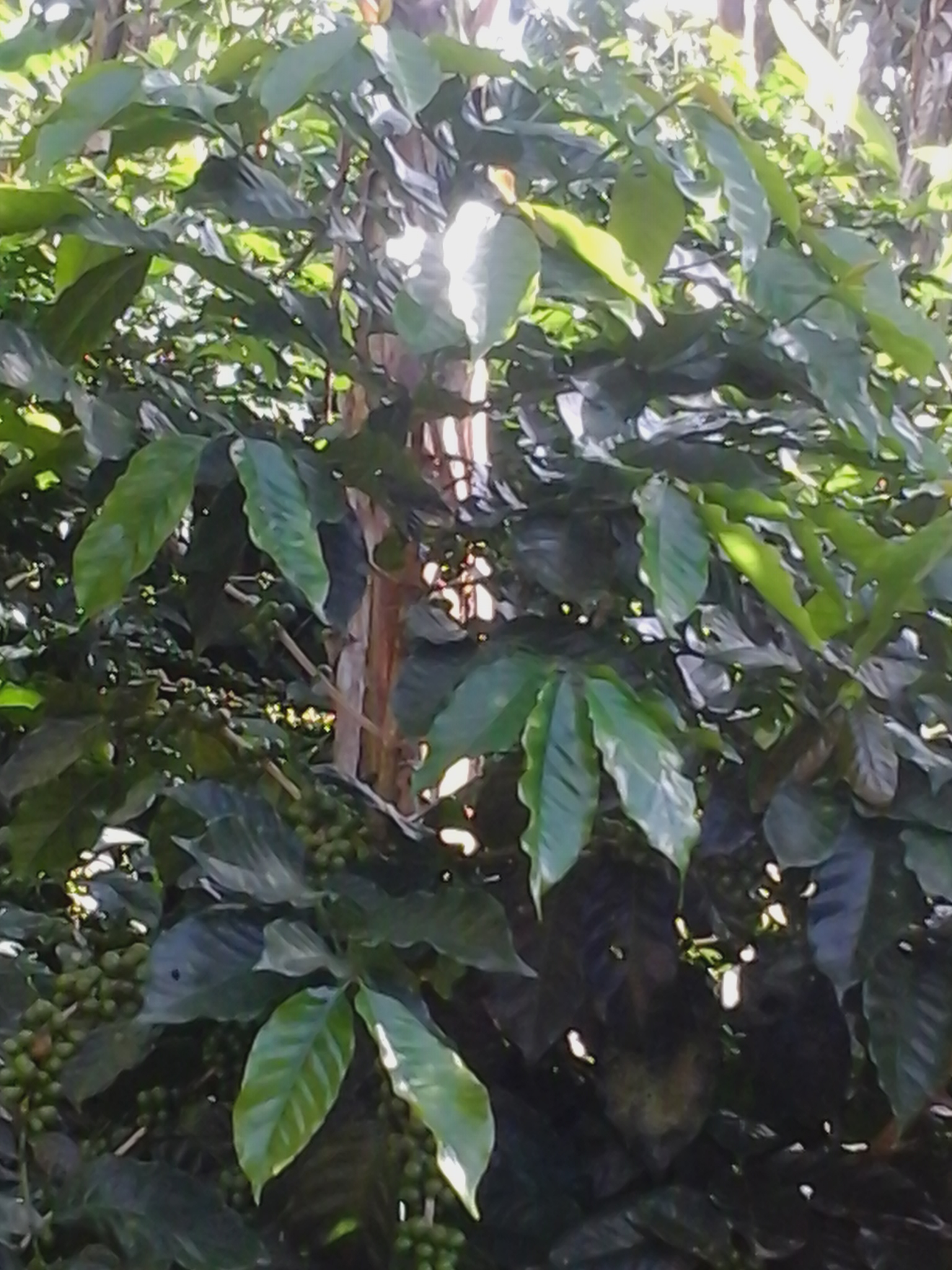 Farm visits, Caquetá
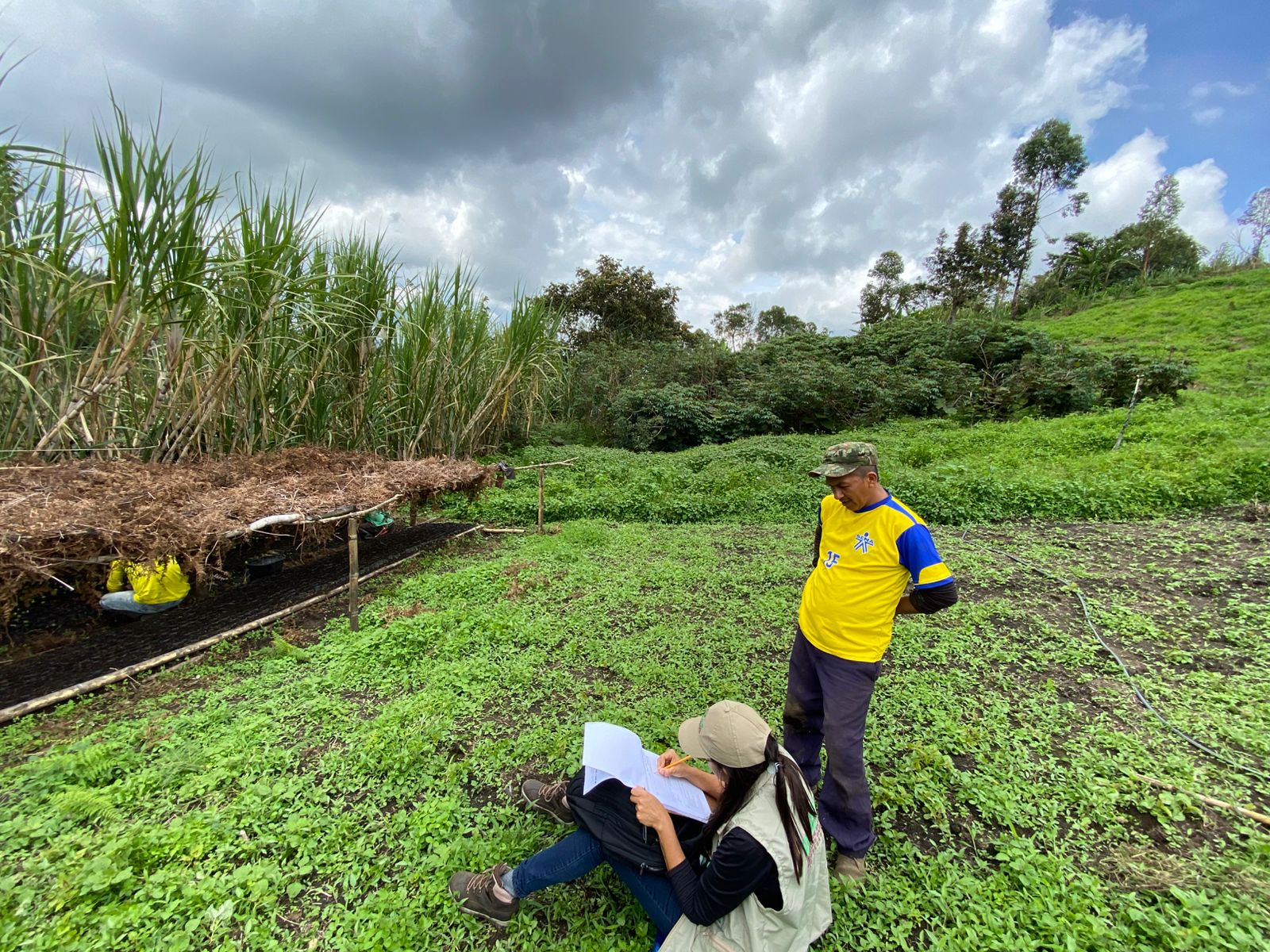 Household surveys
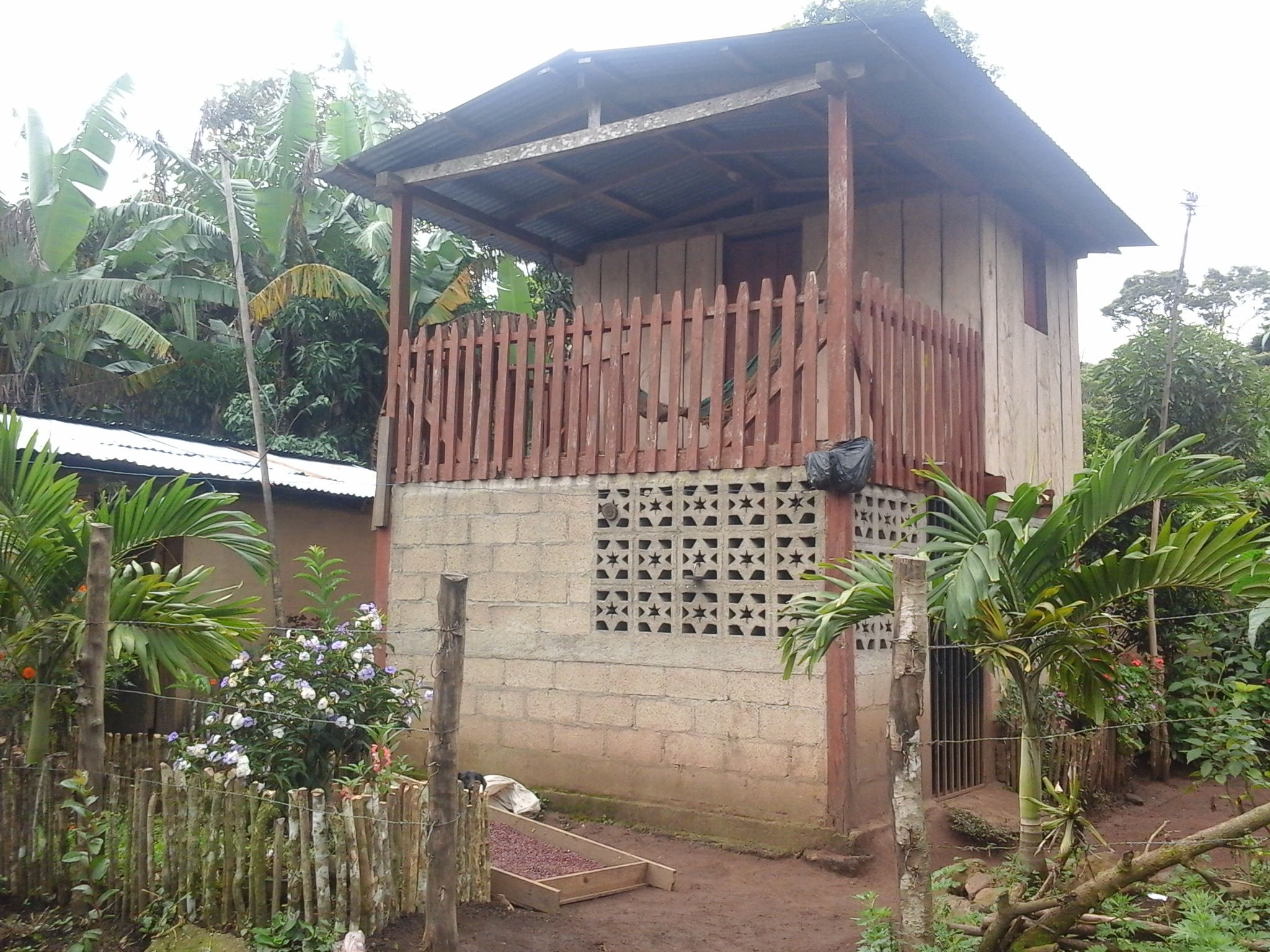 Smallholder systems
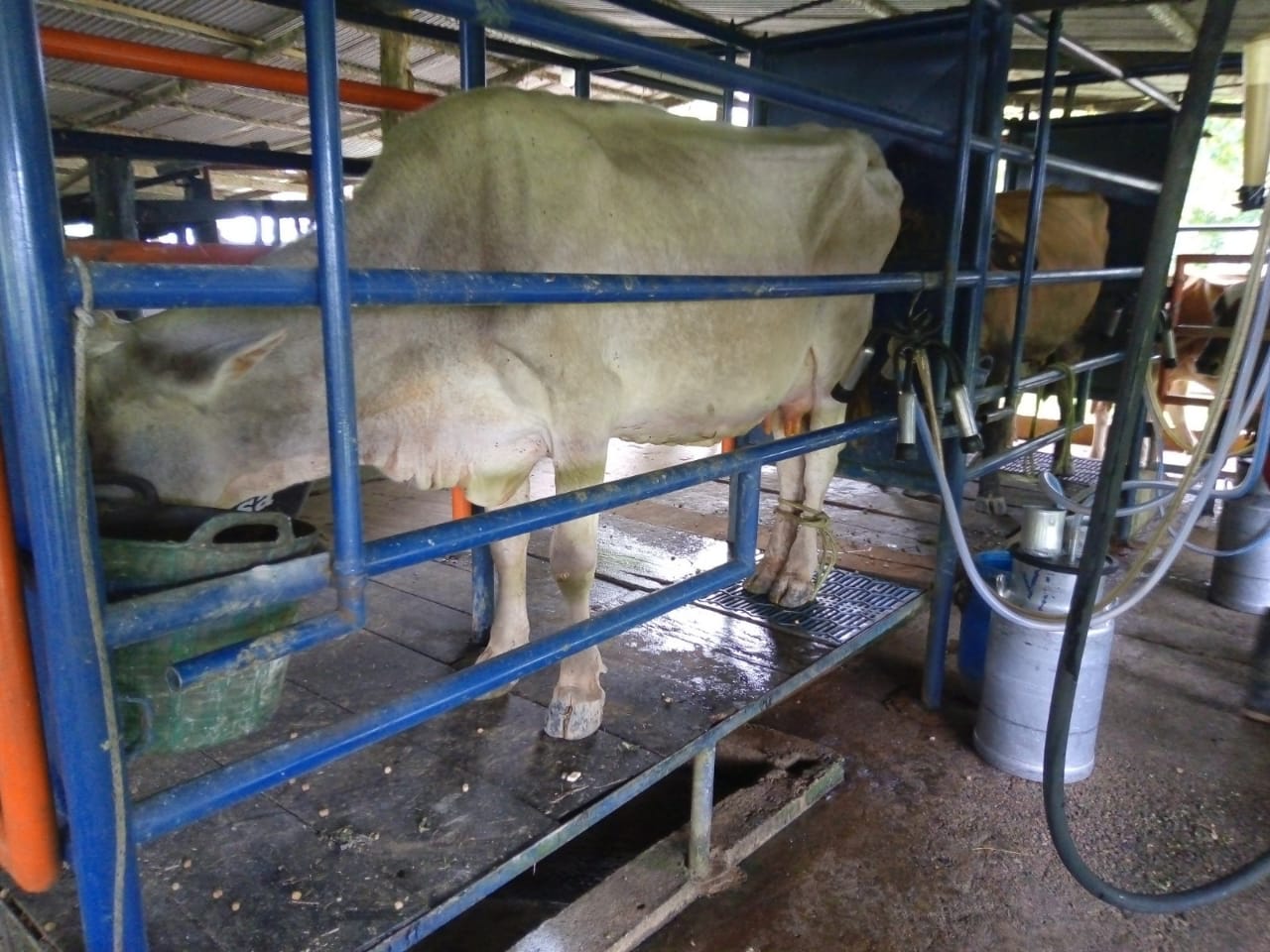 Forest & conservation